
Blaenau Gwent schools are working with Grounds Maintenance and the Biodiversity Team to create more wildlife-friendly spaces across the county.
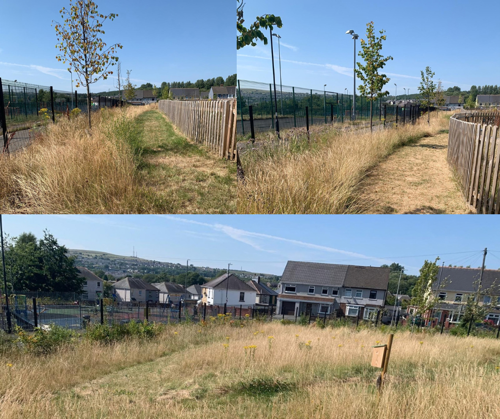
Responding to the Nature Emergency
Following the declaration of a Nature Emergency in 2024, the council has reviewed how grassland is managed to help improve biodiversity and strengthen local ecosystems. This includes changes to grass-cutting programmes and identifying areas in parks, open spaces and school grounds that can be managed for wildlife.
Councillor Tommy Smith, Cabinet Member for Neighbourhood & Environment Services, said: “This project shows how small changes in the way we manage our land can make a real difference for nature, learning and wellbeing. By working with schools, our Grounds Maintenance team and the Biodiversity Team are helping to create spaces where wildlife can thrive and young people can see nature recovery happening in their own communities.”
The Role of Schools
Schools play a central role in this approach. Across the county, school grounds are increasingly being used as wildlife havens and ecological stepping stones, helping to connect habitats within the wider natural environment.
Through the collaborative project, schools are encouraged to identify areas that can be left for nature, with support from the Biodiversity Officer. This gives pupils valuable opportunities to learn outdoors, understand local habitats and see how practical action can support nature recovery.
Benefits for Wildlife and Wellbeing
While national campaigns such as Plantlife’s “No Mow May” and “Let it Bloom June” help raise awareness, this work promotes a year-round and more holistic approach to managing land for nature.
- Longer grass and wildflower areas provide vital food and shelter for invertebrates and other wildlife.
- Wildlife-friendly spaces create opportunities for pupils to explore, observe and learn directly from nature.
- Accessible pathways allow school communities to enjoy these areas safely.
- Spending time in nature can support wellbeing by encouraging people to connect with the environment around them.
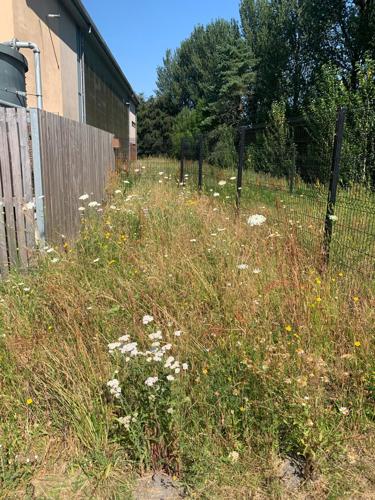
Glyncoed Primary School: A Practical Example
Glyncoed Primary School in Ebbw Vale is a strong example of this approach in action. Working with the Grounds Maintenance and Biodiversity teams, the school has created biodiversity areas while maintaining accessible pathways, enabling pupils to engage safely with nature as part of their learning.
This balanced approach helps meet the needs of the school community while supporting wildlife. By working together, Blaenau Gwent schools are contributing to the response to both the Climate and Nature Emergencies, helping to reverse biodiversity decline and support nature recovery.
Mrs Joanne Weightman, Head Teacher, Glyncoed Primary School, said: “At Glyncoed Primary School, we firmly believe that children learn best when they are actively engaged with nature. We are particularly grateful to Ffion Lewis for her commitment to developing such effective partnerships with Becky Ward and Keep Wales Tidy. Through this collaborative work, our learners are not only learning about nature recovery but are playing an active role in it. The biodiversity areas across our school grounds provide rich opportunities for exploration, discovery and stewardship, allowing children to see first-hand the positive impact of their efforts. They are now beginning to reap the fruits of their labour, seeing wildlife flourish, habitats thrive and gaining a genuine sense of pride in helping to shape a more sustainable future for their community and county.”